- Home
- About
-
Services
- Art Competition
- Community Project Funding Map
- Congressional App Contest
- Congressional Certificate
- Event Request
- Flag Request
- Grants
- Grant Letters of Support
- Help with a Federal Agency
- Inauguration
- Internships
- Kids Page
- Meeting Request
- Service Academy Nominations
- Tour Requests
- Vietnam Veteran Commemoration
- Government Shutdown FAQ
- Issues
- Media
- Contact
Menu
Press Releases
ICYMI: Congressman Valadao Secures Key Wins for the Central Valley in Budget Extension Bill
Washington,
November 17, 2025
|
Paige Ash
These bills deliver real wins for CA-22—supporting our families and farmers, investing in our rural communities, and improving care for our veterans.
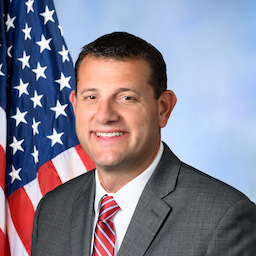
WASHINGTON – Last week, Congressman David Valadao (CA-22) voted in favor of H.R. 5371, the Continuing Appropriations, Agriculture, Legislative Branch, Military Construction and Veterans Affairs, and Extensions Act, 2026, to reopen the government. This bill, which was signed into law by President Trump on November 12th, included a Continuing Resolution (CR) to reopen the government and three full-year appropriations bills that will provide funding for some of our nation’s most important programs. These bills include the Agriculture, Rural Development, Food and Drug Administration, and Related Agencies Appropriations Act, Military Construction, Veterans Affairs, and Related Agencies Appropriations Act, and Legislative Branch Appropriations Act. “As a member of the House Committee on Appropriations, I was proud to vote to return to regular order and advance three full-year funding bills,” said Congressman Valadao. “These bills deliver real wins for CA-22—supporting our families and farmers, investing in our rural communities, and improving care for our veterans. I’m especially proud that the Agriculture Appropriations bill includes my Community Project Funding requests for the Kaweah Siphon Resiliency Project and the Tulare County Fire Department. These investments will help boost groundwater levels, protect drinking water quality, and improve emergency response times in underserved communities. Passing this package is an important step forward, and I’ll keep working with my colleagues in the House and Senate to deliver the rest of the full-year funding bills.” Key investments secured by Congressman Valadao in the Agriculture, Rural Development, Food and Drug Administration, and Related Agencies Appropriations Act:
Additional highlights from the Agriculture, Rural Development, Food and Drug Administration, and Related Agencies Appropriations Act:
Additional highlights from the Military Construction, Veterans Affairs, and Related Agencies Appropriations Act:
Additional highlights from the Legislative Branch Appropriations Act:
### |