- Home
- About
-
Services
- Art Competition
- Community Project Funding Map
- Congressional App Contest
- Congressional Certificate
- Event Request
- Flag Request
- Grants
- Grant Letters of Support
- Help with a Federal Agency
- Inauguration
- Internships
- Kids Page
- Meeting Request
- Service Academy Nominations
- Tour Requests
- Vietnam Veteran Commemoration
- Government Shutdown FAQ
- Issues
- Media
- Contact
Menu
Press Releases
Congressman Valadao Works to Lower Substance Use Disorder Rates Among Older Americans
Washington,
July 6, 2026
|
Paige Ash
Tags:
Health Care
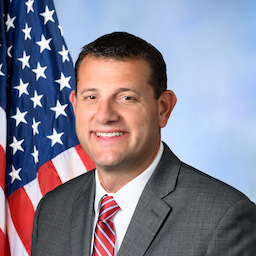
Congressman David Valadao (CA-22) joined Reps. Lauren Underwood (IL-14), Carol Miller (WV-01), and Paul Tonko (NY-20) to reintroduce the Residential Recovery for Seniors Act. This bipartisan bill would help lower the rate of drug overdoses among older adults by authorizing residential and in-patient treatment of opioid-use disorder under Medicare.
WASHINGTON – Congressman David Valadao (CA-22) joined Reps. Lauren Underwood (IL-14), Carol Miller (WV-01), and Paul Tonko (NY-20) to reintroduce the Residential Recovery for Seniors Act. This bipartisan bill would help lower the rate of drug overdoses among older adults by authorizing residential and in-patient treatment of opioid-use disorder under Medicare. “Substance use disorder can affect anyone, and over the last two decades, overdose deaths among older Americans have increased at an alarming rate,” said Congressman Valadao. “While Medicaid covers residential addiction treatment, too many seniors who rely on Medicare are left without access to these critical services or forced to pay out-of-pocket for expensive services they can’t afford. In the Central Valley, we’ve seen the devastating impact of the opioid crisis firsthand, and we need to ensure every American has the care they need to recover. I’m proud to join my colleagues in reintroducing this bipartisan bill to expand access to lifesaving treatment and better support seniors struggling with substance use disorder.” “Substance use disorders among seniors are on the rise, and I've heard from so many families who have lost older relatives to addiction,” said Rep. Underwood. “We cannot accept this as a new normal. Our bipartisan legislation will make sure seniors in our communities can get help when they need it and have access to the high-quality recovery care that they deserve.” “In a state where seniors represent more than 20 percent of the population, substance use disorders among older adults remain a serious yet frequently overlooked challenge,” said Rep. Miller. “This bill is an important step to expand access to recovery care for seniors and support families facing addiction. By allowing Medicare to cover residential addiction treatment programs, we are strengthening the continuum of care and ensuring seniors have access to structured, medically appropriate recovery services when they need them most.” “The disease of addiction has touched every corner of our communities, so our response addressing this crisis must be equally extensive,” said Rep. Tonko. “Given the alarming rise in substance use disorder among our seniors, making sure they have the treatment and care they need is of particular importance. Our Residential Recovery for Seniors Act delivers that lifesaving care for older adults and people with disabilities. I’m proud to join my colleagues in pushing this commonsense, compassionate bill, that delivers the support needed to those on the path to recovery.” Supporting organizations include the American Society of Addiction Medicine, Legal Action Center, Pyramid Healthcare, Illinois Association for Behavioral Health, National Association of Addiction Treatment Providers, Smart Recovery, The Kennedy Forum, Treatment Communities of America, New Jersey Association of Mental Health and Addictions Agencies Inc., National Council for Mental Wellbeing, Addiction Professionals of North Carolina, HIV Alliance, Shatterproof, Gaudenzia, Faces & Voices of Recovery, Powell Recovery Center, Inc, Hazelden Betty Ford Foundation, and the Mental Health Association of Maryland. The Residential Recovery for Seniors Act would:
Read the full bill here. ### |