- Home
- About
-
Services
- Art Competition
- Community Project Funding Map
- Congressional App Contest
- Congressional Certificate
- Event Request
- Flag Request
- Grants
- Grant Letters of Support
- Help with a Federal Agency
- Inauguration
- Internships
- Kids Page
- Meeting Request
- Service Academy Nominations
- Tour Requests
- Vietnam Veteran Commemoration
- Government Shutdown FAQ
- Issues
- Media
- Contact
Menu
Press Releases
Valadao, Bonamici, Bacon Lead Effort to Provide Greater Access to Substance Use Disorder Treatment and Services
Washington,
June 5, 2026
|
Paige Ash
Tags:
Health Care
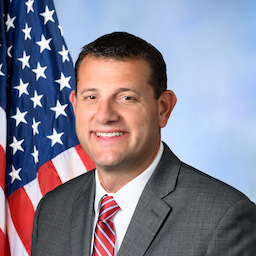
Congressman David Valadao (CA-22) joined Reps. Suzanne Bonamici (OR-01) and Don Bacon (NE-02) to reintroduce the Connections to Health Infrastructure and Emergency Recovery Services (CHIERS) Act.
WASHINGTON – Congressman David Valadao (CA-22) joined Reps. Suzanne Bonamici (OR-01) and Don Bacon (NE-02) to reintroduce the Connections to Health Infrastructure and Emergency Recovery Services (CHIERS) Act. This bipartisan bill would create a grant program to provide transportation for people in need of overdose prevention services, substance use disorder treatment, detoxification, and other related supportive services. Congressman Valadao was an original co-sponsor of this legislation in the 118th Congress. “In the Central Valley, we’ve seen firsthand the devastating impact of the opioid epidemic,” said Congressman Valadao. “Too often, people seeking treatment in our communities face long travel times, high transportation costs, and difficulty receiving timely care. We should be doing everything we can to make it easier for people suffering from substance use disorder to get the help they need and break the cycle of addiction. I’m proud to help introduce the bipartisan CHIERS Act to remove barriers to treatment and expand access to timely, life-saving care.” “People shouldn’t be held back from getting the care they need because they do not have a way to get there,” said Congresswoman Bonamici. “For years people in Portland benefitted from the CHIERS van, which helped transport people in need to sobering centers. I’m working with my bipartisan colleagues to expand on this model and make rides to treatment available to more people across the country who are intoxicated or at risk.” “Everyone deserves a second chance,” said Rep. Bacon. “The CHIERS Act will improve access to developing services that provide individuals with transportation to and from substance use disorder treatments or support services. This program will help thousands of citizens get the help they need, and I’m grateful to work with Rep. Bonamici on this important effort.” The CHIERS Act would:
Background: Communities across Kings, Kern, and Tulare Counties continue to face significant barriers to accessing treatment for opioid use disorder, particularly in rural and low-income areas where treatment centers are limited and transportation options are scarce. Individuals seeking Medication-Assisted Treatment (MAT) often must travel long distances to reach care, relying on friends or family members for transportation or forgoing treatment altogether due to cost and accessibility challenges. With only eight substance treatment centers serving the three-county region, many residents struggle to receive timely, life-saving services. Expanding grant support for affordable transportation options can help connect residents to critical treatment services—reducing barriers to recovery and improving public health outcomes. Read the full bill here.
|