- Home
- About
-
Services
- Art Competition
- Community Project Funding Map
- Congressional App Contest
- Congressional Certificate
- Event Request
- Flag Request
- Grants
- Grant Letters of Support
- Help with a Federal Agency
- Inauguration
- Internships
- Kids Page
- Meeting Request
- Service Academy Nominations
- Tour Requests
- Vietnam Veteran Commemoration
- Government Shutdown FAQ
- Issues
- Media
- Contact
Menu
Press Releases
Congressman Valadao Works to Solve Labor Shortages for Central Valley Dairy Producers
Washington,
July 1, 2026
|
Paige Ash
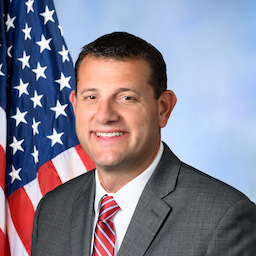
WASHINGTON – Today, Congressman David Valadao (CA-22) joined House Agriculture Committee Chairman G.T. Thompson as an original co-sponsor of the Securing Agriculture’s Workforce Act. This bipartisan bill would modernize the H-2A program to better meet the needs of year-round agricultural operations while giving existing unauthorized workers the opportunity to participate in the program, providing much-needed stability for the ag sector. As the sole dairyman in Congress, Congressman Valadao has been a leading advocate for modernizing the H-2A program and strengthening America’s agricultural workforce. Among his efforts, he has introduced the Farm Workforce Modernization Act in the 118th and 119th Congresses. “One of the biggest concerns I hear from producers across the Central Valley is the ongoing agricultural labor shortage,” said Congressman Valadao. “While the H-2A program works well for many seasonal operations, it hasn’t kept pace with the needs of year-round industries like dairy. That’s why I’m proud to support the bipartisan Securing Agriculture’s Workforce Act, which modernizes the program by clarifying that ‘temporary labor’ refers to the length of a farmworker’s contract—not whether the job itself is seasonal. It also creates a pathway for eligible undocumented agricultural workers to earn H-2A status and provide for their families. This bill is a commonsense step that gives producers greater certainty to plan for their workforce, provides long-overdue stability for agricultural workers, and helps strengthen the Central Valley’s food supply for the future." Background: In the 1980s, the H-2A program was created to help address temporary and seasonal agricultural labor needs. The program requires workers to hold temporary visas tied to jobs lasting no more than ten months. While this structure works well for many agricultural sectors with defined planting and harvesting seasons, it creates challenges for dairy producers, whose operations run year-round. As a result, dairy producers often face uncertainty and application denials because their labor needs are viewed as permanent rather than “temporary” or “seasonal.” The Securing Agriculture's Workforce Act would:
Supporting organizations include the American Farm Bureau Federation, California Farm Bureau, National Milk Producers Federation, Western Growers, AmericanHort, International Fresh Produce Association, U.S. Chamber of Commerce, USA Farmers, National Council of Agricultural Employers, National Council of Farmer Cooperatives, American Business Immigration Council, National Potato Council, Northwest Horticultural Council, US Apple, American Peanut Shellers Association, American Soybean Association, Livestock Marketing Association, Meat Institute, National Association of Wheat Growers, National Chicken Council, National Cotton Council, National Pecan Federation, National Pork Producers Council, National Sorghum Producers, National Turkey Federation, National Watermelon Association, U.S. Peanut Federation, U.S. Rice Producers Association, USA Rice, Vidalia Onion Business Council, Florida Fruit & Vegetable Association, Florida Peanut Federation, Georgia Blueberry Commission, Georgia Fruit and Vegetable Growers Association, Midwest Council on Agriculture, Southern Peanut Farmers Federation, and Washington Red Raspberry Commission. Read the full bill here. ### |