- Home
- About
-
Services
- Art Competition
- Community Project Funding Map
- Congressional App Contest
- Congressional Certificate
- Event Request
- Flag Request
- Grants
- Grant Letters of Support
- Help with a Federal Agency
- Inauguration
- Internships
- Kids Page
- Meeting Request
- Service Academy Nominations
- Tour Requests
- Vietnam Veteran Commemoration
- Government Shutdown FAQ
- Issues
- Media
- Contact
Menu
Press Releases
Valadao, Beyer Introduce Legislation to Improve Federal Coordination and Reduce Flood Risks
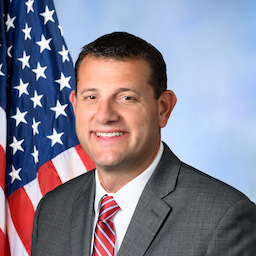
Today, Congressman David Valadao (CA-22) joined Congressman Don Beyer (VA-08) to introduce the National Flood Impact Reduction and Resilience Act.
WASHINGTON – Today, Congressman David Valadao (CA-22) joined Congressman Don Beyer (VA-08) to introduce the National Flood Impact Reduction and Resilience Act. This bipartisan bill would establish a coordinated federal program to improve the understanding of flood risks, advance more effective mitigation and resilience measures, and reduce the loss of life and property caused by flooding. The legislation is modeled on the success of the bipartisan National Earthquake Hazard Reduction Program (NEHRP), which brings together public and private sector partners to coordinate emergency response and supports the research, development, and implementation of lifesaving earthquake risk reduction and safety measures. “Central Valley families and farmers know firsthand the devastating impact flooding can have on our communities, like we saw when Tulare Lake flooded in 2023,” said Congressman Valadao. “Instead of just reacting after a disaster strikes, it’s important we take proactive steps to reduce damage before the next flood. I’m proud to join Rep. Beyer in introducing the bipartisan National Flood Impact Reduction and Resilience Act to improve flood forecasting, strengthen infrastructure, promote better flood management and protections, and support federal coordination to help keep the Central Valley safe and resilient from these natural disasters.” “Communities across the country, including here in Northern Virginia, have experienced firsthand how disruptive and destructive flooding can be – but these losses are not inevitable. We have the expertise and resources necessary to save lives and prevent severe damage,” said Rep. Beyer. “Congress successfully established a coordinated federal program to reduce earthquake risk, and we should bring that same proven model to improve flood resilience. Our bill would strengthen coordination between the public and private sectors to ensure that our communities have the information and tools they need to prepare before the next flood.” In the Central Valley, heavy storms and runoff can place significant pressure on local flood-control systems, threaten homes and agricultural land, and disrupt essential infrastructure. As weather patterns and development continue to change, having accurate information about flood risks and investing in mitigation measures is critical. The bipartisan National Flood Impact Reduction and Resilience Act creates the National Flood Impact Reduction and Resilience Program which would improve flood-risk mapping and data collection, support research into flood mitigation and resilience, and provide grants and technical assistance to state and local governments to encourage adoption of safety measures. This bill would also improve coordination between federal agencies including the Army Corps of Engineers, the Federal Emergency Management Agency (FEMA), the National Oceanic and Atmospheric Administration (NOAA), the United States Geological Survey (USGS), and the National Institute of Standards and Technology (NIST), to improve the information available to communities preparing for future natural disasters. Read the bill here. ### |