- Home
- About
-
Services
- Art Competition
- Community Project Funding Map
- Congressional App Contest
- Congressional Certificate
- Event Request
- Flag Request
- Grants
- Grant Letters of Support
- Help with a Federal Agency
- Inauguration
- Internships
- Kids Page
- Meeting Request
- Service Academy Nominations
- Tour Requests
- Vietnam Veteran Commemoration
- Government Shutdown FAQ
- Issues
- Media
- Contact
Menu
Press Releases
Congressman Valadao Votes to Continue Funding for Critical Programs
Washington,
July 21, 2026
|
Paige Ash
Tags:
Appropriations
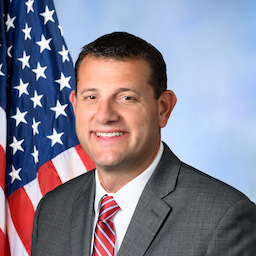
Today, Congressman David Valadao (CA-22) released the following statement after voting in support of a clean, short-term Continuing Resolution (CR) to keep the government funded while the House and Senate continue their work on passing full-year appropriations bills.
WASHINGTON – Today, Congressman David Valadao (CA-22) released the following statement after voting in support of a clean, short-term Continuing Resolution (CR) to keep the government funded while the House and Senate continue their work on passing full-year appropriations bills. “Today, I voted in support of a clean, short-term Continuing Resolution to keep the government running while Congress continues working on full-year funding bills,” said Congressman Valadao. “While a CR isn’t the preferred solution, government shutdowns are unproductive, cost billions, and disrupt the services Americans depend on. As a member of the House Committee on Appropriations, I’m proud we’ve done our job by advancing all twelve Fiscal Year 2027 appropriations bills, and I stand ready to continue negotiations with my Senate colleagues to get full-year funding bills across the finish line.” The Continuing Appropriations Act, 2027:
Background: The House and Senate each must pass 12 full-year appropriations bills before September 30th or a Continuing Resolution (CR) to buy more time to find agreement between the House, Senate, and White House on various funding levels to keep the government open. The House Appropriations Committee passed all 12 bills out of Committee and passed 3 off the House Floor. Congress now has until December 4, 2026 to find agreement on full-year appropriations bills for Fiscal Year 2027. ### |